
Introduction to Pay-Per-Click (PPC)
In today’s fast-moving digital world, businesses want results—and they want them fast. That’s where PPC (Pay-per-click) comes in. Unlike organic marketing, which takes time, PPC allows brands to appear in front of the right audience at the right moment.
In 2026, digital marketing is more competitive than ever. Organic reach is shrinking, user attention is limited, and platforms are driven by algorithms. PPC helps businesses stay visible, relevant, and profitable by offering measurable, scalable, and intent-based advertising.
Before we dive deeper, let’s look at what this blog will cover.
What is PPC?
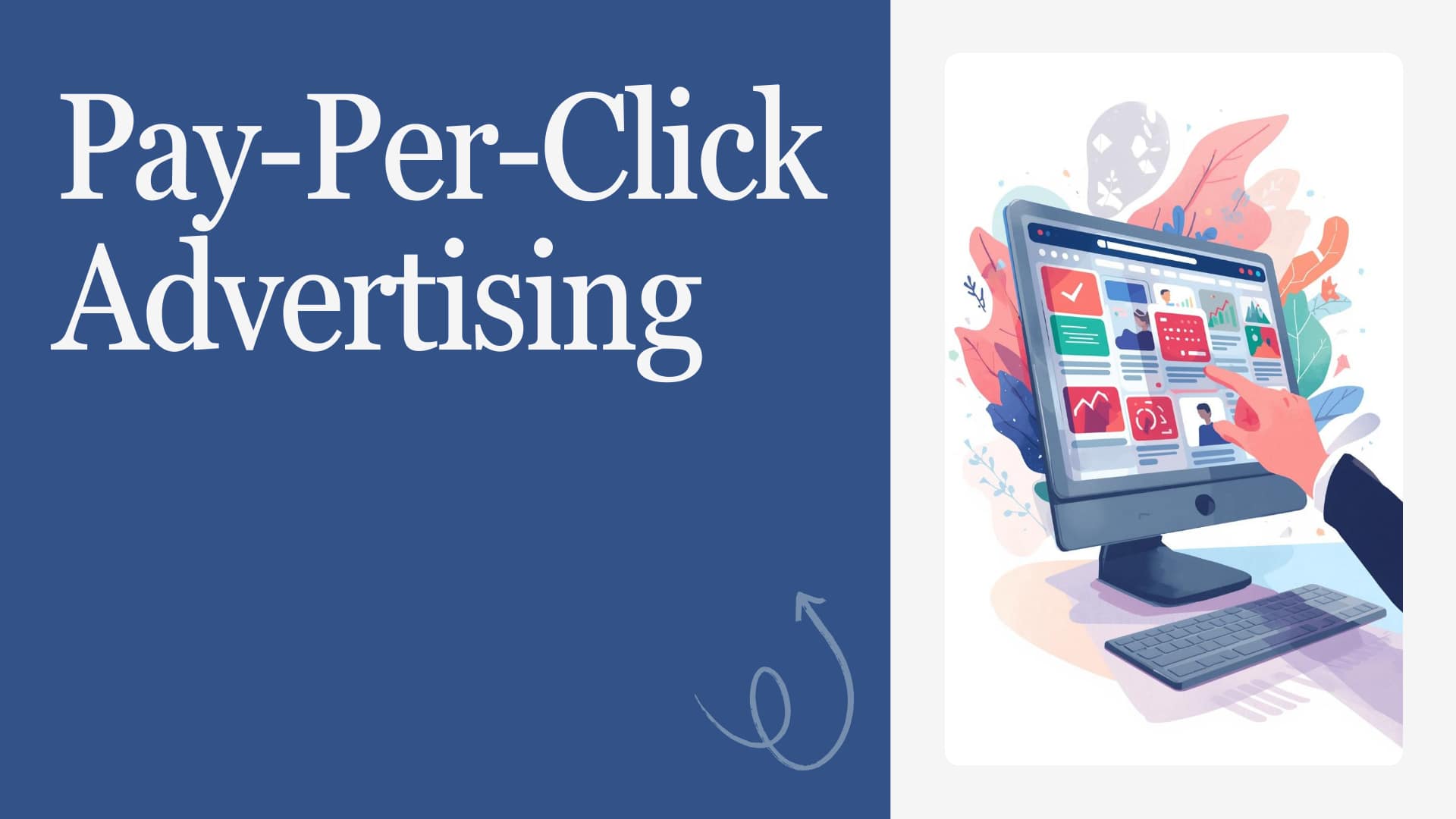
PPC stands for Pay-per-click, a digital advertising model where advertisers pay a fee each time someone clicks on their ad. Instead of earning traffic organically, businesses essentially buy visits to their website.
PPC ads can appear on search engines, websites, social media platforms, and even mobile apps. The most common PPC ads are search ads that appear at the top of search engine results when users search for specific keywords.
For example, if someone searches for “best digital marketing services” and clicks on a sponsored result, the advertiser pays for that click. The key advantage here is intent—the user is already looking for a solution.
What is Pay-Per-Click Advertising?
Pay-per-click advertising is a strategic way of reaching users who are actively searching for products, services, or information. Advertisers bid on keywords, and ads are shown based on factors like bid amount, relevance, and user intent.
In 2026, PPC advertising is smarter than ever. Platforms use AI, machine learning, and audience data to show ads to users most likely to convert. It’s no longer just about keywords—it’s about behavior, location, device, and even past interactions.
For example, an eCommerce store can show ads only to users who previously visited their website but didn’t complete a purchase. This level of precision makes pay-per-click advertising extremely powerful.
How PPC Works in Digital Marketing

Understanding how PPC works is important before running campaigns. The process usually follows these steps:
First, advertisers choose keywords related to their business. Then, they create ad copies and landing pages optimized for conversions. When users search for those keywords, an auction takes place. The best ads appear based on relevance, quality score, and bid amount.
In 2026, PPC platforms focus heavily on user experience. Ads that are relevant, helpful, and aligned with the landing page perform better and cost less. This means digital marketers must think beyond clicks and focus on the full customer journey.
A well-structured PPC campaign doesn’t just drive traffic—it drives qualified traffic that converts.
Importance of Pay-Per-Click in 2026

The importance of pay-per-click in 2026 cannot be ignored. With increasing competition and declining organic reach, PPC has become a core pillar of digital marketing strategies.
One major reason PPC is important is instant visibility. New businesses or websites don’t have to wait months for SEO results. PPC allows them to appear on top of search results from day one.
Another reason is data-driven decision-making. PPC provides clear insights into what’s working—keywords, ads, audiences, and conversions. This data helps businesses optimize not only ads but also their overall marketing strategy.
In 2026, PPC also plays a critical role in omnichannel marketing, connecting search, social, display, and video advertising into one unified approach.
Key Benefits of PPC for Businesses
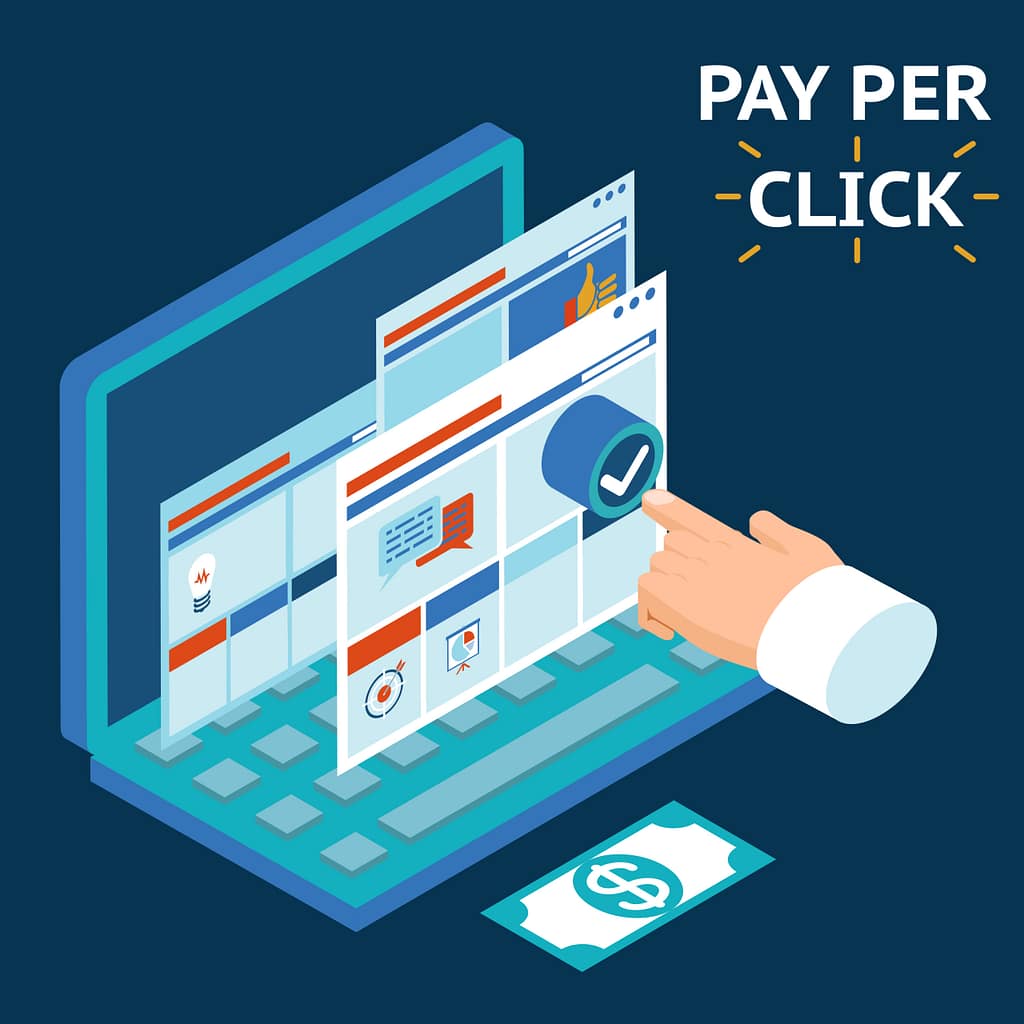
PPC offers several benefits that make it essential for digital marketing success:
First, it provides highly targeted traffic. You can target users based on keywords, location, device, interests, and even purchase intent.
Second, PPC is cost-controlled. You decide how much to spend daily or monthly, making it suitable for both small businesses and large enterprises.
Third, it delivers measurable ROI. Every click, impression, and conversion can be tracked, allowing businesses to calculate exact returns.
Lastly, PPC supports brand awareness. Even if users don’t click, seeing your brand repeatedly builds trust and recognition over time.
Real-World Example of a PPC Campaign
Let’s take a simple example to understand PPC better.
Imagine a digital marketing agency running a PPC campaign for the keyword “SEO services for small businesses.” The ad appears at the top of search results. A business owner clicks the ad, visits the landing page, and fills out a contact form.
In this case, the advertiser paid only for the click, not for impressions. If the lead converts into a paying client, the return is much higher than the ad cost.
In 2026, smart PPC campaigns like this are powered by automation, audience signals, and conversion tracking, making them more efficient and profitable.
PPC vs Organic Marketing in 2026
PPC and organic marketing are not competitors—they work best together.
Organic strategies like SEO and content marketing build long-term authority, but they take time. PPC, on the other hand, delivers immediate results. In 2026, successful brands use PPC to test keywords, offers, and landing pages, then apply those insights to organic strategies.
For competitive industries, relying only on organic traffic is risky. PPC ensures consistent visibility even when algorithms change or rankings fluctuate.
A balanced digital marketing approach always includes both pay-per-click and organic efforts.
Conclusion
To sum it up, Pay-per-click (PPC) remains one of the most powerful tools in digital marketing, and its importance in 2026 is stronger than ever. From instant visibility and precise targeting to measurable ROI and scalability, PPC helps businesses grow faster and smarter.
Whether you’re a startup, an established brand, or a digital marketer, understanding what PPC is, how pay-per-click advertising works, and why it matters will give you a competitive edge. When used strategically, PPC doesn’t just bring traffic—it brings the right traffic that converts.
If digital marketing is about reaching the right people at the right time, PPC is one of the best ways to make that happen.