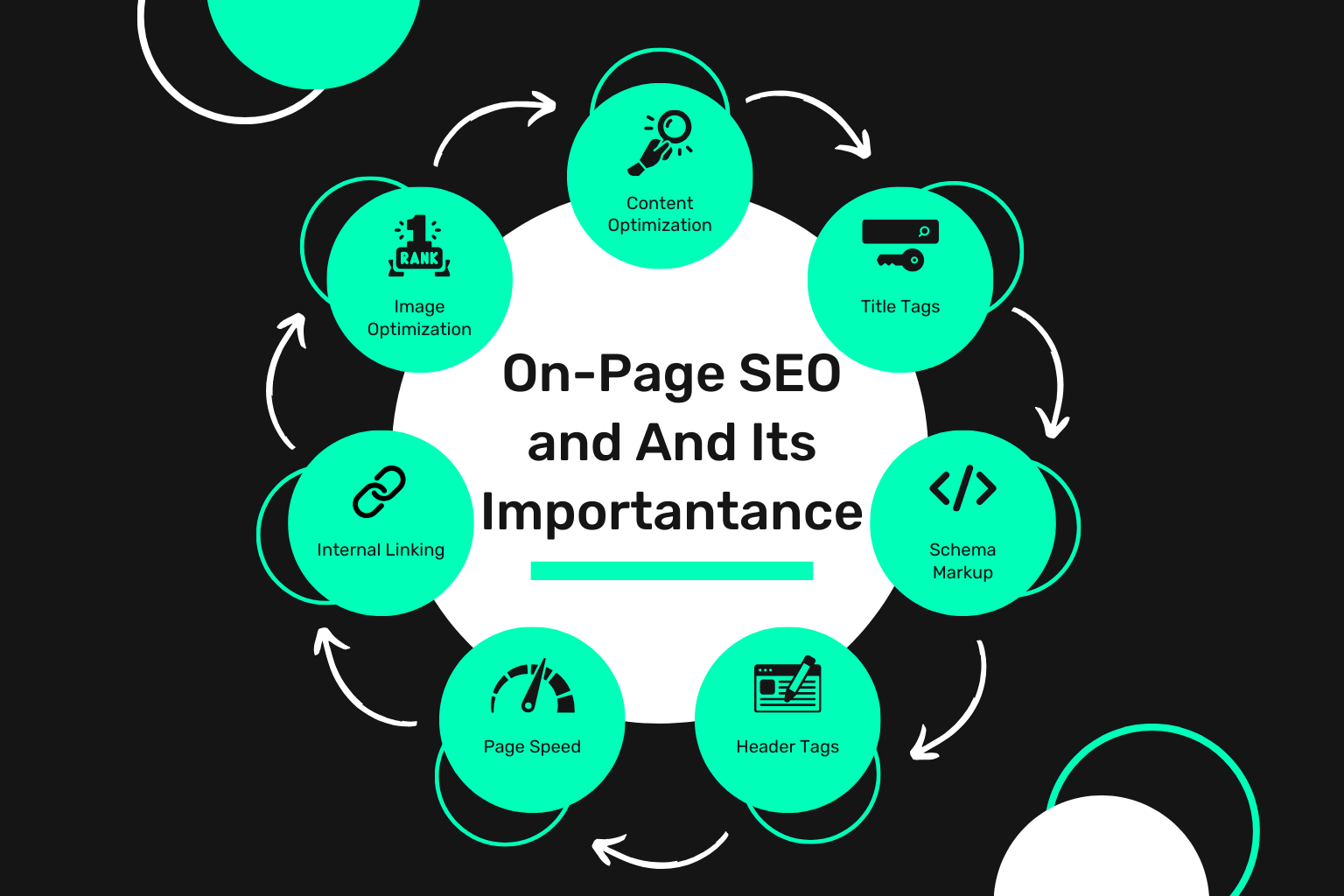

If you’ve ever wondered why some websites consistently rank on the first page of Google while others struggle to be seen, the answer often lies in On-Page SEO. It’s one of the most powerful and controllable aspects of search engine optimisation — and when done right, it can dramatically improve your visibility, traffic, and conversions.
In this blog, we’ll break down what On Page SEO is, why it matters, and the key types you should focus on. Whether you’re a business owner, marketer, or someone considering professional On Page SEO Service, this guide will help you understand the essentials in a simple, conversational way.
What Is On-Page SEO?
On-page SEO refers to the process of optimising individual web pages to rank higher in search engines and attract more relevant traffic. It includes everything you can control directly on your website — from content and headings to meta tags, internal links, images, and URL structure.
Unlike off-page SEO (which focuses on backlinks and external signals), On Page SEO Service ensures your website clearly communicates what your content is about. Search engines like Google analyse these elements to determine how relevant your page is to a user’s search query. Investing in a professional On Page SEO Service ensures that every page of your website is strategically optimised to improve rankings and user experience.
Why Is On-Page SEO Important?
On-page SEO is crucial because it directly impacts how search engines understand and rank your content. Even the best content won’t perform well if it isn’t structured and optimised correctly. Proper optimisation helps search engines crawl your website efficiently and match it with the right audience.
It also improves user experience. Fast-loading pages, clear headings, engaging content, and mobile-friendly design keep visitors on your site longer — reducing bounce rates and increasing conversions. Businesses that invest in professional on page seo services often see better keyword rankings, higher organic traffic, and improved return on investment over time.
Types of On-Page SEO
Let’s dive into the core components that make up effective On Page SEO Service.
1. Content Optimisation
Content is the foundation of on-page SEO. High-quality, informative, and relevant content helps search engines understand your website’s purpose while delivering value to users. Content optimisation involves naturally integrating keywords, answering user queries, and structuring information clearly.
It’s important to avoid keyword stuffing and instead focus on search intent. Your content should solve problems, provide insights, and be easy to read. Using headings, bullet points, and short paragraphs improves readability. A reliable On Page SEO Service ensures that your content is strategically aligned with targeted keywords while maintaining a natural and engaging tone.
2. Title Tags and Meta Descriptions
Title tags and meta descriptions are the first things users see in search results. A well-written title tag includes your primary keyword and clearly describes the page’s topic. It should be compelling enough to encourage clicks.
Meta descriptions don’t directly impact rankings but influence click-through rates. A strong meta description summarises the page content and includes relevant keywords in a natural way. Professional On Page SEO Service focus on crafting optimised titles and descriptions that not only rank well but also attract more visitors from search engine results pages (SERPs).
3. Header Tags (H1, H2, H3, etc.)
Header tags help structure your content and improve readability for both users and search engines. The H1 tag typically includes your main keyword and represents the page’s primary topic. Subheadings (H2, H3, etc.) organise supporting information logically.
Proper header usage makes your content easier to scan and understand. Search engines use these headings to identify key topics within your content. When implemented correctly, they enhance SEO performance and user engagement. Many businesses rely on an experienced On Page SEO Service to ensure headers are structured strategically for maximum impact.
4. URL Structure Optimisation
Clean and descriptive URLs make it easier for search engines and users to understand what a page is about. An SEO-friendly URL should be short, keyword-rich, and free of unnecessary characters or numbers.
For example, a URL like yourwebsite.com/on-page-seo-services is far more effective than a random string of numbers. A well-structured URL improves crawlability and enhances user trust. Professional On Page SEO Service ensure your website’s URL architecture supports better indexing and ranking performance.
5. Internal Linking
Internal linking connects one page of your website to another. This helps search engines discover and index new pages while distributing authority throughout your site. It also keeps users engaged by guiding them to related content.
Strategic internal links improve navigation and encourage visitors to spend more time on your website. Linking relevant pages with descriptive anchor text boosts keyword relevance and enhances overall SEO performance. An expert On Page SEO Service ensures internal linking is done strategically rather than randomly.
6. Image Optimisation
Images improve user experience, but they also need optimisation to support SEO. Large image files can slow down your website, negatively affecting rankings. Compressing images improves load speed and performance.
Additionally, adding descriptive alt text helps search engines understand the image content and improves accessibility. Including keywords naturally in alt text enhances visibility in image search results. Reliable On Page SEO Service focus on balancing visual appeal with technical optimisation to maximise SEO benefits.
7. Mobile-Friendliness and Page Speed
Search engines prioritise websites that offer a smooth experience across all devices. A mobile-friendly design ensures your website looks and functions properly on smartphones and tablets. Since most users browse on mobile devices, this is essential.
Page speed is another critical ranking factor. Slow-loading websites frustrate users and increase bounce rates. Optimising code, compressing files, and using reliable hosting solutions improve performance. A professional On Page SEO Service carefully audits and enhances these technical elements to maintain strong search engine rankings.
8. Schema Markup and Structured Data
Schema markup is a form of structured data that helps search engines better understand your content. It can enhance your search listings with rich snippets, such as star ratings, FAQs, or product details.
While schema doesn’t directly boost rankings, it increases visibility and click-through rates. Implementing structured data correctly requires technical knowledge, which is why many businesses choose expert On Page SEO Service to handle it effectively and avoid errors.
Final Thoughts
On-page SEO is the backbone of any successful digital marketing strategy. It ensures your website is not only visible to search engines but also valuable to users. From content optimisation and internal linking to technical improvements like mobile responsiveness and schema markup, every element plays a crucial role.
If you want sustainable growth and long-term results, investing in a professional On Page SEO Service can make a significant difference. Well-executed On Page SEO Service help improve rankings, increase organic traffic, and ultimately drive more conversions.

